Strawberry Boys strike
I Heard You Paint HousesThe Strawberry Boys strike was the 1932 walkout that first brought Jimmy Hoffa notoriety as a union leader. At nineteen, he helped a group of underpaid Kroger Company workers in Detroit win recognition for their union and a guarantee of paid hours. Their leverage was perishable: a shipment of Florida strawberries sat waiting in the heat, and the company yielded rather than risk losing it.
Work on the platform
Hoffa worked as a loader and unloader of fresh fruits and vegetables on the platform dock of the Kroger Company. The job paid 32 cents an hour, but 20 cents of that amount came as credit redeemable for groceries at Kroger stores. Even that limited pay depended on whether there was work to do: the men could be required to report for a shift and then sit unpaid when no trucks needed loading or unloading.
The schedule made that uncertainty especially severe. Workers had to report at 4:30 p.m. for a twelve-hour shift and were not permitted to leave the platform. Their demand was for a four-hour-per-day guarantee of hourly pay during each twelve-hour shift. The dispute therefore concerned more than the nominal hourly wage; it challenged a system in which the men surrendered their time without assurance that they would be paid for it.
The strawberry walkout
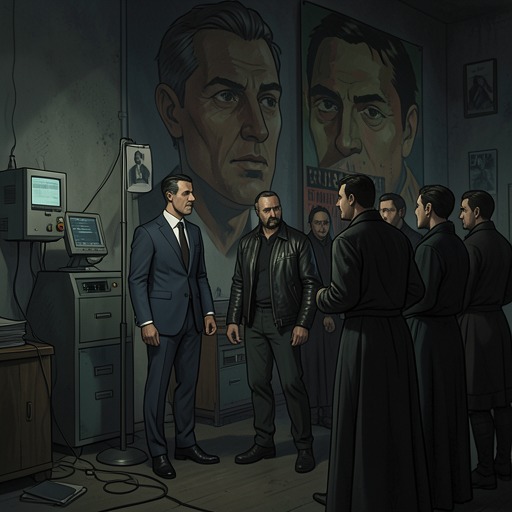
On a hot spring afternoon, a load of fresh strawberries arrived from Florida. Hoffa gave a signal, and the workers, who would become known as the Strawberry Boys, refused to move the fruit into refrigerator cars. They would resume work only if Kroger recognized their union and met their demands for better working conditions.
The tactic turned the shipment’s vulnerability into the workers’ bargaining power. With the crates at risk in the heat, Kroger faced the immediate cost of holding out. The company gave way, accepted the union’s demands, and granted the new one-company union a one-year charter. The strike thus ended not merely with a concession on pay, but with formal recognition for the organization Hoffa had helped lead.
Victory and significance
The victory was unusual in its time. The book characterizes the workers’ 1932 success as a rare labor victory during the Great Depression, when management generally held the upper hand and many people struggled to secure food. Against that background, the strike’s outcome rested on a concrete reversal: workers who had been compelled to wait unpaid made the company wait while its strawberries spoiled in the heat.
The walkout became the defining early episode in Hoffa’s union career. He became identified with the Strawberry Boys and the successful strike, which the narrative presents as launching his rise toward national prominence. The episode’s scale was local, but its significance in his story is foundational: his first notoriety came from organizing workers around the control of their time and turning a vulnerable shipment into a victory for collective bargaining.